


6 Signs Your Shopify Store Has Outgrown Shopify Native Shipping
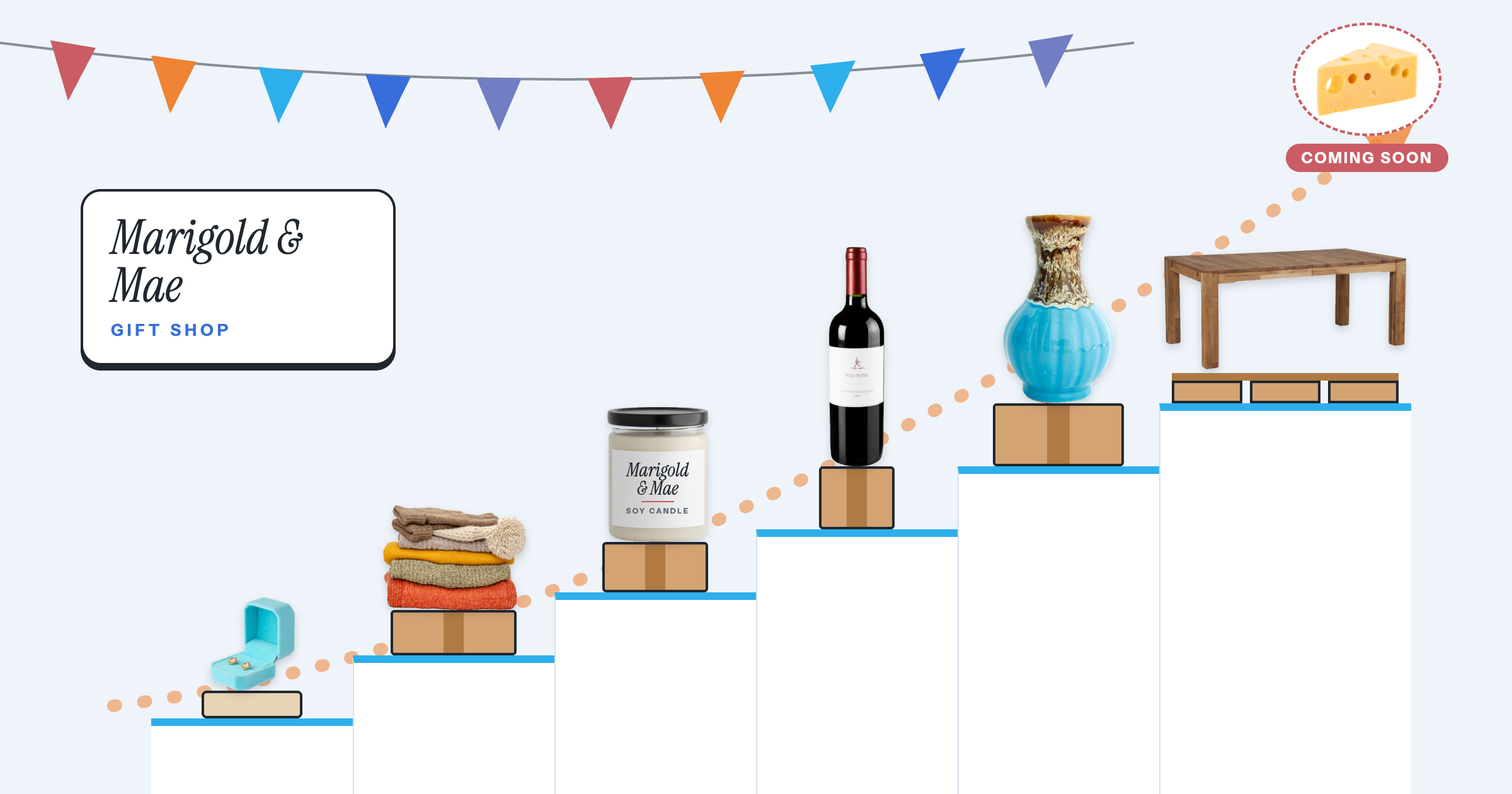
Meet Marigold & Mae, a small Shopify gift shop owned by Mae. It’s not a real store. It’s a composite of the merchants we talk to every day, and we hear its story all the time.
Mae started out selling jewelry and a few T-shirts and scarves. Everything fit in a padded mailer, and one flat rate covered nearly every order.
Then Mae added wine. Some states won’t accept it, every bottle needs an adult signature, and USPS won’t carry it at all. Next came home goods: ceramic vases that need extra padding, and a farmhouse dining table that ships on a pallet.
Each new product line meant another exception for her team to remember. Before long, the shipping rates customers saw had little to do with what Mae was paying to ship.
If your store is starting to look like Mae’s, the trouble probably isn’t fulfillment. It’s what happens before the order is placed: the rates, delivery dates, and shipping options shoppers see on the product page, in the cart, and at checkout.
Here’s how to know when you’ve outgrown Shopify’s native shipping, and what to do about it.
When Is Shopify’s Native Shipping Enough?
Back when Marigold & Mae sold jewelry and T-shirts, Shopify’s native shipping was all Mae needed.
If you ship standard-sized products within one country, have a relatively small product catalog, and base your rates on a flat fee, order total, or weight, Shopify’s native shipping setup handles that well. Labels, tracking, and returns are all built in.
Shopify has also added more shipping tools this year. It can now select a saved box for multi-item orders and set shipping options by market, making it a great fit for many newer and smaller stores.
The trouble starts when your store scales and your orders no longer fit that mold. That’s when many store owners like Mae learn the hard way that a shipping setup that doesn’t match your business can cost you money, time, and stress.
Selling B2B? See how this works for B2B → A coffee supplier that grew from one roastery to 200+ cafés in all 50 states.
6 Signs Mae Had Outgrown Shopify’s Native Shipping
None of it happened all at once. But looking back, these were the warning signs Mae spotted, and what she did about each one.
|
Mae’s warning sign |
What Mae needed |
What Mae did |
|
Mae’s analytics showed more shoppers landing straight on product pages (many sent by AI shopping assistants) and leaving without ever reaching the cart. |
Shipping costs and delivery dates on every product page, for every shopper. When an AI assistant sends a shopper to a product, that page is the first one they see, and maybe the only one. ShipperHQ shows rates and dates on product pages, not just at checkout. |
She added shipping costs and delivery dates to her product pages, so shoppers get the real answer wherever they land. |
|
Carrier invoices kept coming in higher than what customers paid, especially on orders with vases and candlesticks. |
Rates based on how her team actually packs, with residential surcharges included. ShipperHQ’s dimensional packing splits orders across boxes, adds padding, and follows rules like “ship separately.” |
She switched on ShipperHQ’s dimensional packing, which packs each order the way her team does, and priced residential surcharges into her rates. |
|
Her new dining table got a flat-rate guess. |
Live freight quotes with freight class and accessorials like liftgate delivery. ShipperHQ connects to 30+ LTL freight carriers. |
She added live LTL freight rates, so the dining table got a real quote, just like a candlestick. |
|
A carrier rate increase ate up an entire afternoon, the one she’d planned to spend getting coffee with her best friend. |
A way to update rates in bulk instead of one at a time. ShipperHQ table rates import and export from a spreadsheet. |
She saved her coffee date by updating her table rates in bulk from a spreadsheet, with rates set by destination, product, weight, quantity, and customer group. |
|
When Mae started selling wine, she worried she’d miss a step and ship a bottle somewhere it wasn’t allowed. |
She needed to set restrictions once and apply them everywhere (by carrier, customer group, or quantity) without creating a new profile or market for each one. ShipperHQ shipping rules handle restricted items in one place. |
She built shipping rules once (no USPS for wine, no shipping to states that ban it) and applied them across all her harder-to-ship products, like alcohol. |
|
The week of Thanksgiving, a customer complained that delivery dates had vanished from checkout, right before Mae’s busiest week of the year. |
Delivery dates that stay put in peak season, with her own cutoffs and extra lead time for items like engraved jewelry. Shopify offers delivery dates, and ShipperHQ makes them more configurable. |
She set up delivery dates with her own cutoffs, holiday blackout dates, and per-product lead times. |
The second sign is more common than you’d think. Eagle Mountain Flag was losing about $1,000 a month by undercharging for shipping on large items before it fixed its packing rules with ShipperHQ.
How Mae Upgraded Her Shopify Shipping with ShipperHQ
Mae didn’t leave Shopify. She kept her store and her theme, and she still buys labels through Shopify Shipping.
What she did was add ShipperHQ to fill the gaps her growing catalog had opened up.
The biggest change is that her shopping experience now matches how her shop actually ships.
Carriers charge by dimensional weight (how much space a package takes up) whenever it’s higher than the actual weight, so the quoted box has to be right.
Now jewelry goes in a tiny mailer, vases ship separately with padding, and an order that needs two boxes gets rated as two boxes.
The dining table gets a live freight quote with liftgate delivery included, and there are no more “call for a quote” messages.
Delivery dates hold up in December, too. (That matters, because 92% of consumers consider delivery windows when deciding to buy, according to Capital One Shopping Research.)
Day-to-day changes take minutes now, not afternoons. When a carrier raises rates, Mae uploads a spreadsheet.
When a corporate client wants free shipping, she adds a customer tag. Her whole shipping setup lives in one dashboard instead of a stack of workarounds, so she still has time for coffee with friends and the new homepage.
Where Marigold & Mae Is Now
Mae’s store is growing faster than she expected. Shoppers see what they’ll pay and when their order will arrive before they reach checkout, so fewer leave once they’re there. Her team spends its time packing orders instead of fixing shipping settings.
Next up: cheese from a local farm to go with the wine. A year ago, that would have meant another workaround and a lot of worry about cheddar sitting in a warm truck over the weekend. Now it’s a shipping rule. Cheese only ships overnight or 2-day, and only early in the week, so it never sits in a warehouse waiting for Monday.
Real Merchants, Same Story
Mae is a composite, but real ShipperHQ merchants run into these exact problems. Clean Eatz Kitchen, a meal delivery company, moved off Shopify’s native shipping to ShipperHQ to get accurate delivery dates for its perishable meals. The result: cart abandonment was cut in half, support tickets about delivery dates dropped, and the company saw 82% growth in the months after the switch.
For a deeper look at each feature Mae used, read Shopify Shipping Integration: When Native Shipping Isn’t Enough.
Free checklist: Do You Need More Than Native? Spend five minutes reviewing your current setup to see whether it’s time to upgrade your Shopify shipping. Download it now.
Wondering if your store needs more than native shipping? Schedule a time to talk with one of our shipping experts. We’ll look at your actual checkout and tell you straight whether native shipping is enough for your store. Schedule time to talk to a shipping expert.
Give Shoppers the Choice.
Keep the Margin.
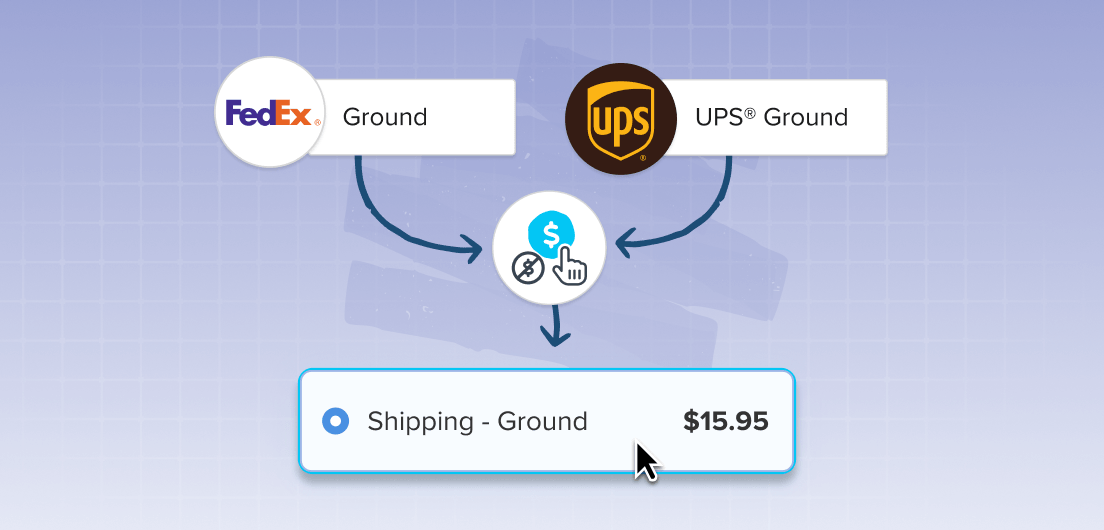
ShipperHQ compares live rates across your carriers and shows shoppers their options, whether that's cheapest, fastest, or both.

Share this article
Related Articles
6 Signs Your Wholesale Business Has Outgrown Shopify Native Shipping
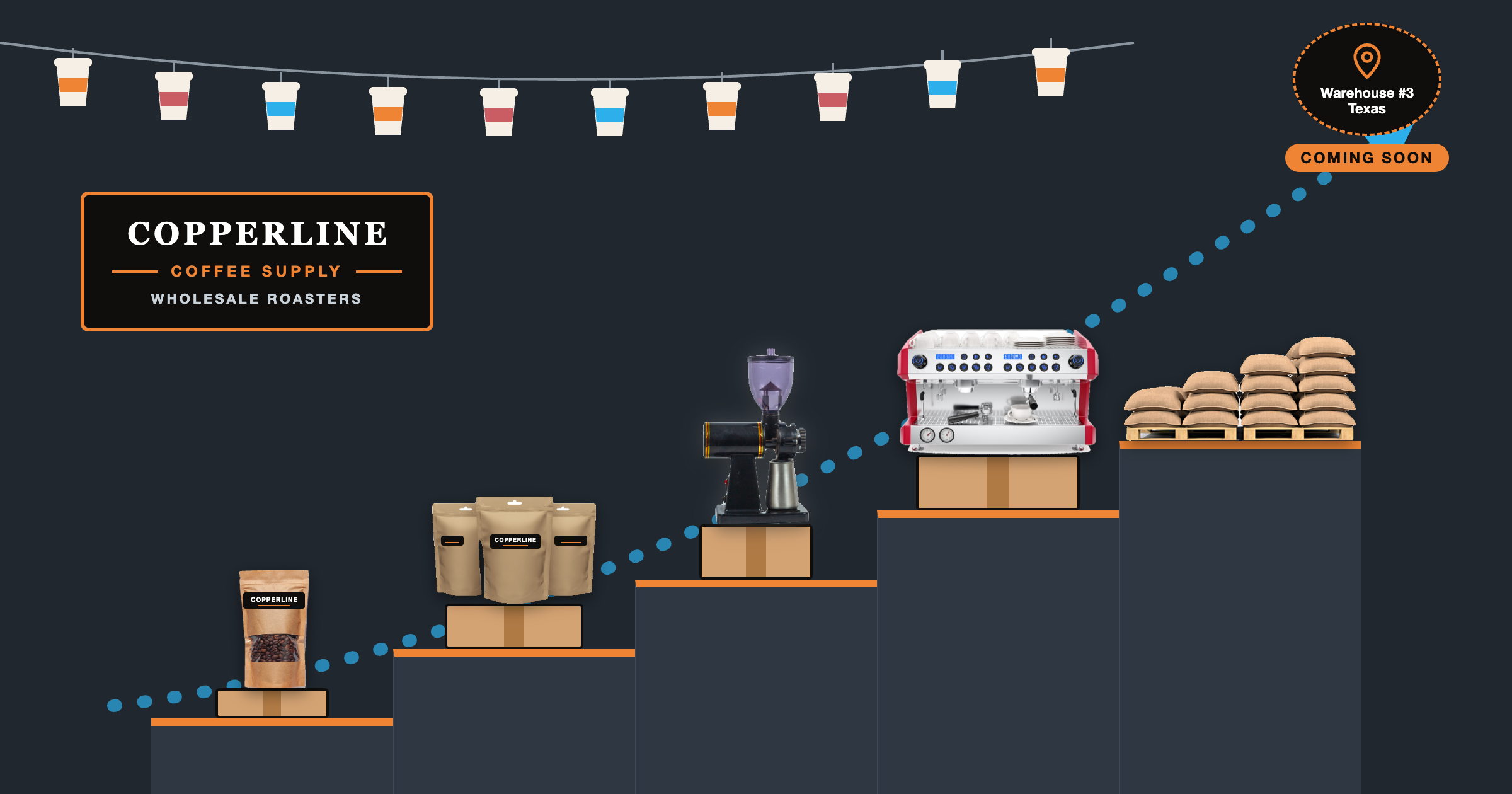
Meet Copperline Coffee Supply. It’s not a real company. It’s a composite of the B2B merchants we talk to every week, ...
Shopify Shipping Integration: When Native Shipping Isn't Enough
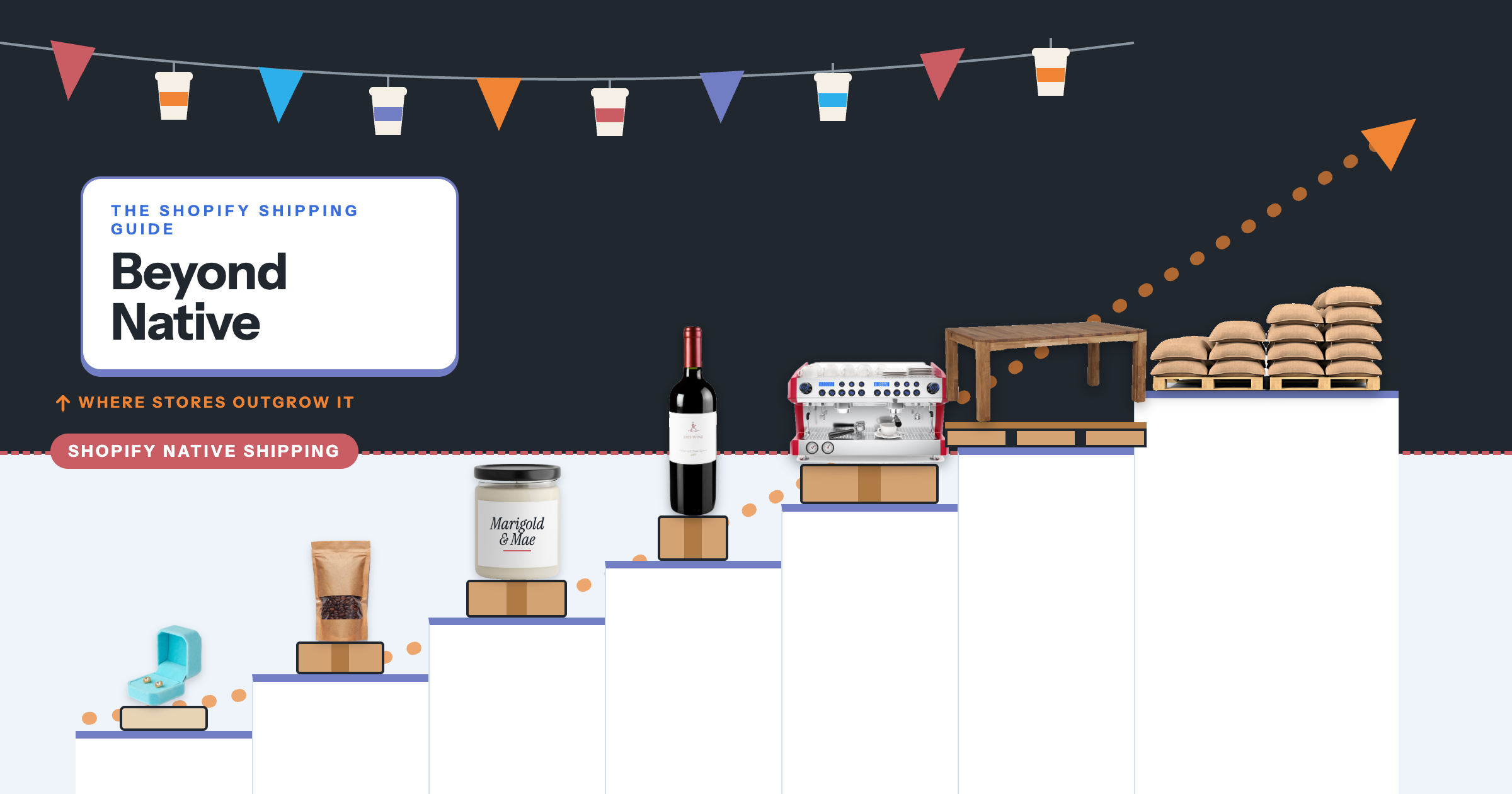
Most Shopify stores start with native shipping, and for a while it’s all they need. Then the workarounds start piling ...

Shopify Fall '26 Edition: 6 Shipping Updates Merchants Need to Know
TL;DR: Shopify’s Fall ’26 Edition, Exponential, brings changes to how shipping is managed and displayed at checkout. ...