


6 Signs Your Wholesale Business Has Outgrown Shopify Native Shipping
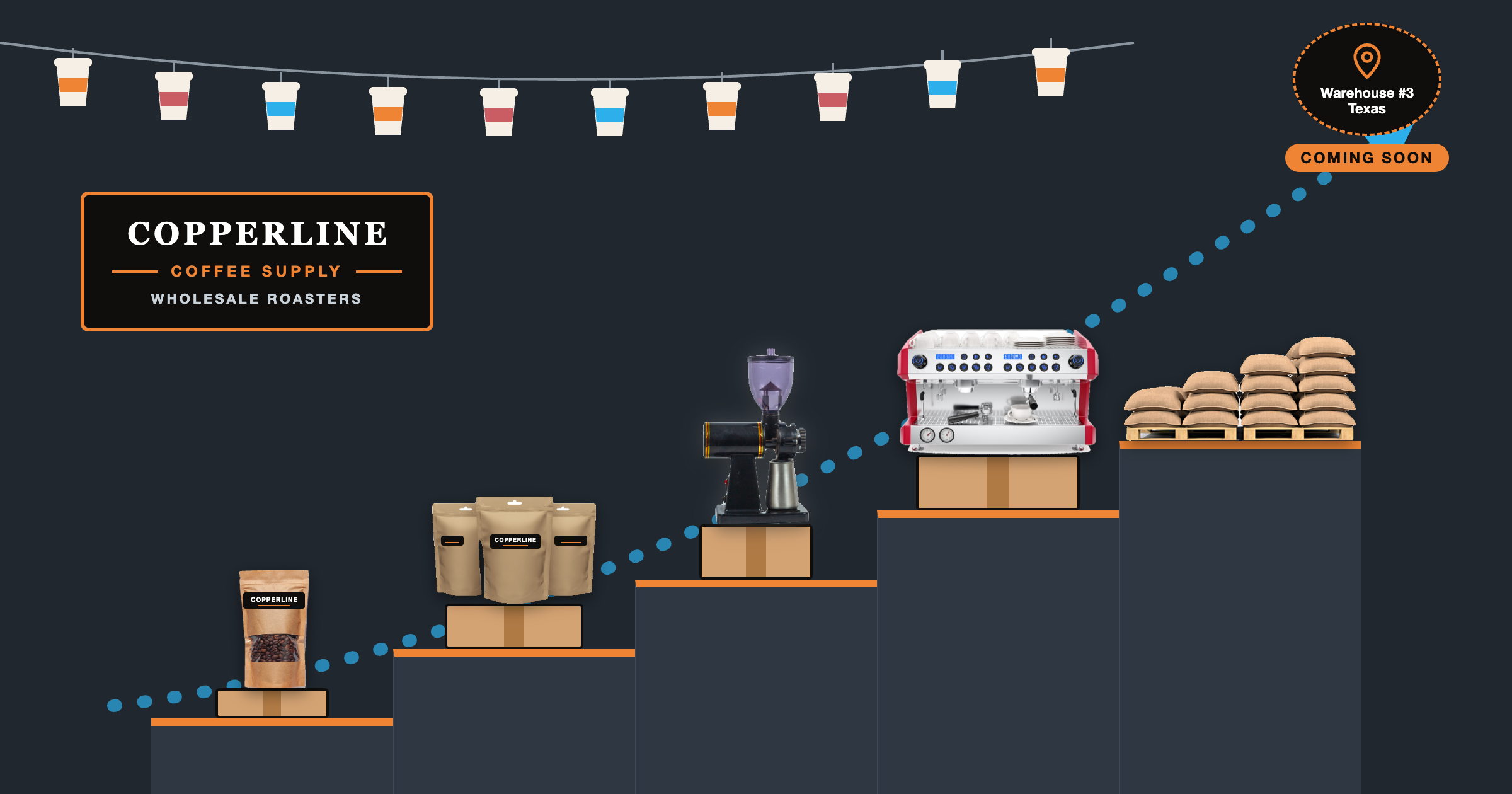
Meet Copperline Coffee Supply. It’s not a real company. It’s a composite of the B2B merchants we talk to every week, and we hear similar stories all the time.
Copperline’s owner, Dev, got his start roasting beans over a wood fire (for added flavor) for a handful of mom-and-pop cafés in his town. Orders came in a few cases at a time, everything shipped from his little roastery, and a couple of shipping rates covered every order.
Then word got around. A café two states over asked for a standing weekly order. A regional bakery chain wanted beans for 12 locations, plus a commercial grinder for each new store. Within a few years, Copperline was supplying more than 200 coffee shops in all 50 states.
Dev opened a second warehouse on the East Coast to keep up, and his catalog grew to include espresso equipment that ships on pallets.
Copperline’s business had changed completely, but its shipping setup hadn’t. A one-location indie café and a 12-location chain saw the same shipping options, rates, and delivery promises. Some split orders got charged twice. Others got rates so high that buyers called their sales rep to order instead.
If you sell to businesses on Shopify, this probably sounds familiar. B2B customers don’t all buy the same way, but most shipping setups lump every order together. Here are the warning signs Dev spotted, and what he did about each one.
When Can Shopify’s Native Shipping Handle B2B?
If you supply a few local accounts with standard-sized cases from one location, Shopify can keep up. Its B2B features handle the account side well: company profiles, wholesale price lists, and payment terms.
Shipping is where B2B gets harder as you grow. Shopify’s shipping settings are built around products, weight, order totals, and destinations. That works while your accounts look alike. For Dev, they stopped looking alike fast.
Selling DTC? See how this works for DTC → A gift shop that added wine, ceramics, and furniture
6 Signs Dev’s B2B Shipping Needed Its Own Rules
|
Dev’s warning sign |
What Dev needed |
What Dev did |
|
His biggest chain account negotiated free freight on pallet orders, and his indie cafés expected flat case rates. Every account saw the same options. |
Shipping rules by customer tag or group, so each account sees the terms it agreed to. ShipperHQ sets rules by customer group. |
He built shipping rules by customer type. Chain accounts get their contracted freight terms, indie cafés get a flat per-case ground rate, and new accounts see standard rates until they qualify for more. |
|
After he opened the East Coast warehouse, orders that split across both warehouses got charged shipping twice. |
Free-shipping thresholds and rates applied to the whole order, not each shipment. ShipperHQ rates multi-origin orders and shows one combined rate. |
He set up multi-origin shipping, so each order ships from the closest warehouse with stock and the buyer sees one combined rate. On Shopify Plus, his free-shipping rules apply to the whole cart, not each shipment. |
|
Case orders kept costing more to ship than he charged. |
Rates based on how orders actually get packed. ShipperHQ’s dimensional packing splits big orders across multiple boxes and follows your packing rules. |
He set up dimensional packing with his real packing rules: six bags per case, four cases per master carton, and grinders always in their own box. |
|
The chain’s monthly pallet of beans and its new grinders got a flat-rate guess. |
Live freight quotes with freight class and accessorials. ShipperHQ connects to 30+ LTL freight carriers. Many cafés don’t have a loading dock, so most freight deliveries need a liftgate. |
He added live LTL freight rates. Orders over a set weight automatically switch to freight, with liftgate delivery priced in. |
|
Café owners kept emailing their sales reps to ask when beans would arrive. |
Delivery dates that reflect each warehouse’s cutoff and roast-to-order lead time. Shopify offers delivery dates, and ShipperHQ makes them more configurable. |
He set up delivery dates with each warehouse’s real cutoff and a two-day roast lead time. Buyers now pick a delivery date from a calendar, so beans arrive before a busy weekend. |
|
Every carrier price increase meant a week of edits across both warehouses and every account tier. |
A way to manage rates in bulk. ShipperHQ table rates import and export from a spreadsheet. |
He moved his rates into table rates set by customer group and origin, so every rate updates from one spreadsheet. |
That third sign is more common than you’d think. Eagle Mountain Flag was losing about $1,000 a month by undercharging for shipping on large items before it fixed its packing rules with ShipperHQ.
How Dev Gave Every Account the Right Shipping
Dev didn’t build a separate store for his chain accounts. He kept one Shopify store, one catalog, and his Shopify B2B price lists. He added ShipperHQ so shipping could tell a single-location café from a 12-location chain.
The biggest change is that each account now sees shipping that matches how it buys. Indie cafés see simple case rates. Chain accounts see their contracted freight terms. Every order ships from the right warehouse, and every buyer sees a delivery date they can plan around. Nobody accidentally gets free freight on a pallet.
For a deeper look at each feature Dev used, read Shopify Shipping Integration: When Native Shipping Isn’t Enough.
His sales team got its time back, too. Buyers used to call or email because they couldn’t get a freight quote or a delivery date on their own. Now they reorder whenever they want and see the real cost and arrival date in the shopping experience before they pay. The sales reps spend their time landing new accounts instead of re-quoting old ones.
Where Copperline Coffee Supply Is Now
Copperline now supplies more than 200 coffee shops and several regional chains in all 50 states, from two warehouses. Dev’s team spends its time roasting and packing instead of fixing shipping settings.
Next up: a third warehouse in Texas to speed up deliveries to the South. A year ago, that would have meant rebuilding his rates from scratch. Now it’s one more origin in ShipperHQ.
Real B2B Merchants, Same Story
Copperline is a composite, but real ShipperHQ merchants run into these exact problems. Yakima Chief Hops, a B2B agricultural supplier, uses ShipperHQ to ship hops to breweries.
trueCABLE, a networking cable company, uses ShipperHQ to offer both parcel and LTL freight in one Shopify Plus checkout. The result: an 8% increase in average order value.
Free checklist: Do You Need More Than Native? Spend five minutes reviewing your current setup to see whether it’s time to upgrade your Shopify shipping. Download it now.
Do your B2B accounts need different rules? Schedule a time to talk with one of our shipping experts. We’ll look at your actual checkout and tell you straight whether native shipping can handle your wholesale business. Schedule time with a shipping expert.
Give Shoppers the Choice.
Keep the Margin.
ShipperHQ compares live rates across your carriers and shows shoppers their options, whether that's cheapest, fastest, or both.

Share this article
Related Articles
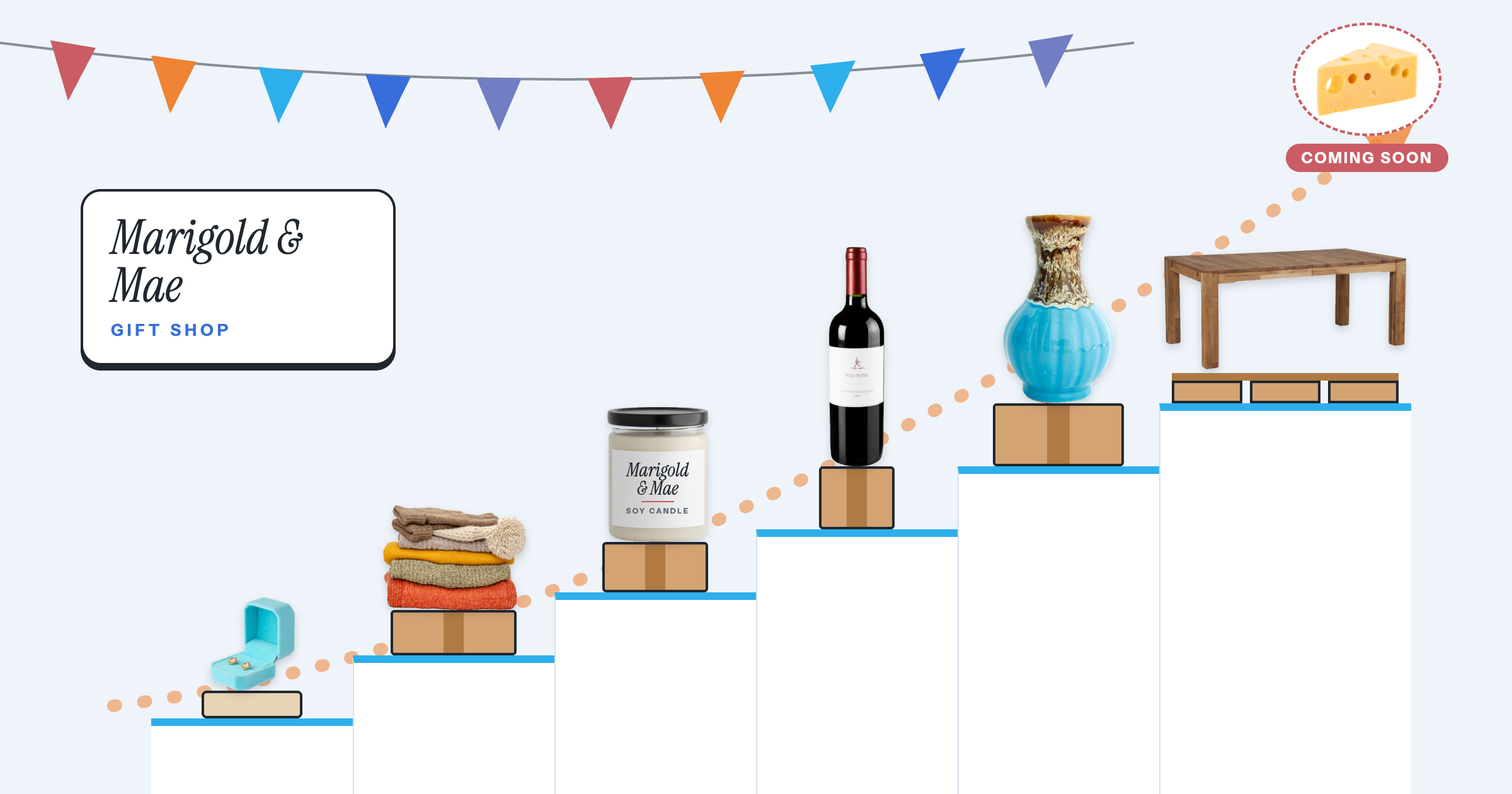
6 Signs Your Shopify Store Has Outgrown Shopify Native Shipping
Meet Marigold & Mae, a small Shopify gift shop owned by Mae. It’s not a real store. It’s a composite of the ...
Shopify Shipping Integration: When Native Shipping Isn't Enough
Most Shopify stores start with native shipping, and for a while it’s all they need. Then the workarounds start piling ...

Shopify Fall '26 Edition: 6 Shipping Updates Merchants Need to Know
TL;DR: Shopify’s Fall ’26 Edition, Exponential, brings changes to how shipping is managed and displayed at checkout. ...