


The Big-Ticket Online Shopper Is Here. Is Your Checkout Ready?
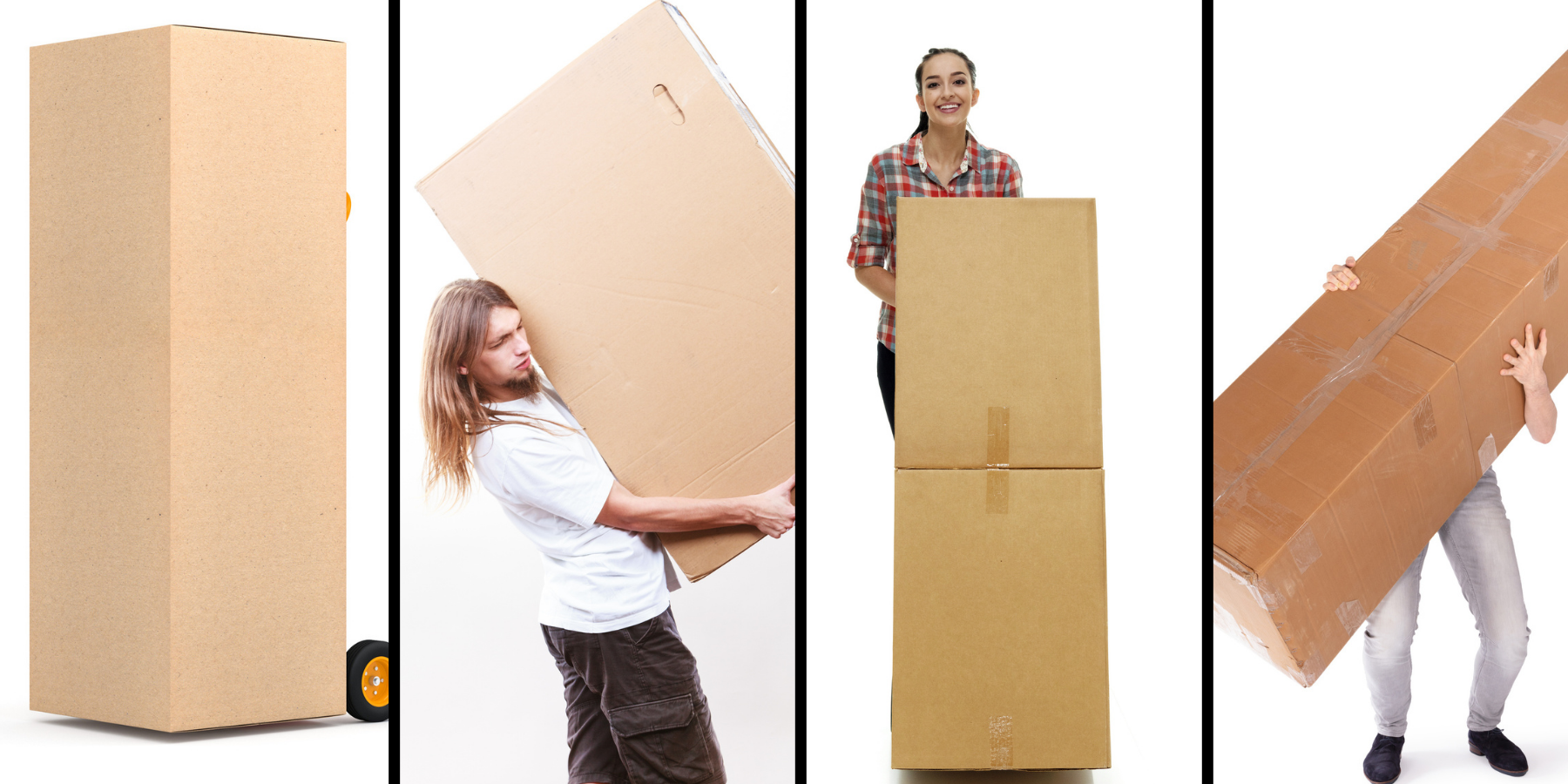
There's a particular kind of confidence it takes to buy a couch without sitting on it first. A kayak without paddling it. A patio set without seeing it in your backyard first. And yet, more people are doing exactly that every single day.
It's not a fluke, and it's not a pandemic-era blip that's fading. It's normalization. Buying big, bulky, hard-to-ship things online has gone from "brave new frontier" to "just how people shop now."
Large items from all industries are following this trend. Furniture, auto parts, outdoor gear, and home fitness equipment are all riding the same shift, even where the numbers move less in a straight line. The point isn't that every big-ticket category is growing at the same pace. It's that shoppers no longer treat "too big to ship" as a reason to keep buying in person.
We think that's exciting. Who doesn't love shopping for a couch from the comfort of their couch?
But there's a catch that merchants who sell big-and-bulky items are running into more and more... selling big things online has become normal.
Shipping them well has not caught up.
Why Big-Ticket Items Are Moving Online
A few things are driving this shift, and none of them are slowing down.
Shoppers trust online retail more than they used to. Reviews, return policies, and better product photography have chipped away at the old objection of "I need to see it in person first."
Visualization tools are closing the confidence gap. AR and 3D product views let someone drop a virtual sofa into their actual living room before they buy, which used to be the whole reason people drove to a showroom.
Financing at checkout removed the sticker-shock pause. Buy-now-pay-later options turned a $2,000 purchase into something that doesn't require a second thought.
Specialty retailers figured out how to compete online. Furniture, auto parts, and outdoor brands that once relied entirely on physical retail have built credible, real eCommerce operations.
Shipping has gotten less daunting. Customers used to brace for a $1,000 shipping charge on anything oversized, if they could even get a rate at all. Retailers optimizing rates, carrier shopping, and more streamlined LTL freight have made shipping large items much less scary and much less expensive, removing one of the last real reasons to hesitate.
Put those together, and the result is simple: more of what gets bought online these days doesn't fit in a box a mail carrier can lift.
Why It's Hard to Sell (and Ship) Big & Bulky Items
Once a product gets big enough, heavy enough, or oddly shaped enough, the shipping logic that works for a T-shirt or a phone case stops working entirely. It's one of the most common problems merchants selling large items run into, and it's exactly the kind of problem worth solving well.
The Shipping Problems LTL Merchants Are Looking to Solve
- Transparent rates at checkout are essential. Customers need to see the real cost of shipping before they buy, not after. Getting LTL rates right at checkout is the difference between a completed order and an abandoned cart.
- Weight-only calculations miss the real cost. A large, lightweight item like a patio umbrella can cost more to ship than its weight suggests, simply because of the size of the box it needs. Dimensional packing accounts for the space an item actually occupies, not just its weight.
- Mixed carts create mixed math. A customer ordering a T-shirt and a bar stool in the same cart needs a checkout that can price both correctly. Shipping rules paired with dimensional packing make sure neither item gets priced off a system built to average the two.
- Accessorial fees show up as surprises. Liftgate service, inside delivery, and limited access add real cost, and if they're not accounted for upfront, they show up later as a support ticket or a canceled order.
- Freight damage claims are more common and more painful on big items. Large shipments moving through multiple carriers and handoffs are simply more likely to get damaged in transit than a small parcel. When that happens, an unclear or slow claims process turns one bad shipment into a genuinely bad customer experience. An enhanced claims process built specifically for LTL freight takes a lot of that stress off both the merchant and the customer.
These problems together are the difference between a big-ticket item being a great new revenue category or source of margin loss and customer service headaches.
Checkout Infrastructure Fixes for Merchants Shipping LTL
The merchants getting this right share one thing in common: they stopped treating shipping as an afterthought and started treating it as part of the product experience.
For Hoosier Racing Tire, a store that ships barstools, tires, and apparel, the fix was Shipping Rules that automated product-specific logic across their catalog, combined with Dimensional Packing to ensure rates reflected how items were actually packed and shipped, not just their weight. The result: a 20 to 30% lift in shipping promotion performance, driving nearly $10 higher average order value, 8% lower cart abandonment, and thousands saved annually through more accurate rates and packing.
Cox & Cox, a UK home goods retailer with a large and growing product catalog, needed the same kind of flexibility as their business scaled. Shipping groups and rules let them apply the right logic to the right products without manual work every time their catalog changed, supporting them as they grew 64% year-over-year and crossed £3 million in sales for the first time.
Different businesses, same underlying lesson: when shipping logic can flex to match a mixed, growing catalog, big-ticket items stop being a liability and start being a growth category.
The Next Piece of the Puzzle for Merchants Shipping LTL
There's a second half to the eCommerce equation: what happens after the customer hits "buy" and the order actually needs to move.
That's a whole conversation on its own, and one we've been spending a lot of time on lately. If you're curious how that piece fits in, here's where we've been focused.
The Partnership That Closes LTL Gaps
Whether you sell directly to consumers or to other businesses, adding LTL+ to your shipping strategy means greater flexibility and often lower costs, all while keeping the carriers and contracts you've already built. No rip-and-replace, no starting over, just a better version of the setup you already trust.
Here's how the two sides work together:
ShipperHQ handles the checkout: live LTL rates, calculated with Kuehne+Nagel's negotiated fuel and accessorial charges built in, so the price a customer sees is the price that holds.
Once the order's placed, Kuehne+Nagel takes over: freight class guidance, accessorial management, and delivery, backed by a global network across roughly 1,300 sites in around 100 countries, plus an enhanced claims process for carrier-fault damage.
The result is care from the product page to checkout to delivery. A customer buying a sectional sofa gets the same clarity a customer buying a phone case takes for granted. And the merchant gets a shipping experience that finally matches the product experience they've already built.
If your catalog includes furniture, auto parts, outdoor equipment, or anything else that ships LTL, this partnership is built for you. If you're thinking this could be a great option for your store, we'd love to talk it through.
Connect with us to see if LTL+ is a good fit
Frequently Asked Questions
Why are more people buying large items like furniture and auto parts online now?
Trust in online retail has grown; AR and 3D tools let shoppers preview items in their own space, and buy-now-pay-later removes the hesitation that used to come with a big price tag. Shipping has also gotten less scary and less expensive as retailers get better at rate shopping and LTL freight.
What makes shipping big and bulky items harder than shipping standard parcels?
Weight-based rates don't account for how much space an item takes up, so a large but lightweight item can cost more to ship than expected. Mixed carts (a T-shirt and a bar stool together) need pricing logic that handles both correctly, and accessorial fees like liftgate service or inside delivery can show up as surprises if they're not priced at checkout.
What is dimensional packing, and why does it matter?
Dimensional packing calculates shipping cost based on the actual space an item occupies, not just its weight, so oversized-but-light products like a patio umbrella get priced accurately instead of underpriced.
What happens if a large item is damaged in transit?
Freight damage is more common on big shipments because they pass through more carriers and handoffs. Without a clear claims process, one damaged shipment can turn into a drawn-out customer service problem, which is why an enhanced, LTL-specific claims process matters.
What is LTL+, and how does it work?
LTL+ is Kuehne+Nagel's flexible LTL solution. It pairs with ShipperHQ's live LTL rates with negotiated fuel and accessorial charges built in. Kuehne+Nagel handles everything after the order is placed: freight class guidance, accessorial management, delivery, and claims support across a global network.

Share this article
Related Articles
The Auto Parts Shopify Stack: 5 Apps That Handle What the Platform Doesn't
Shopify is a good place to sell auto parts. It is not, out of the box, a good place to sell a 90-pound driveshaft next ...
You Don't Need to Be Amazon to Ship Like Amazon
You've probably heard the story before: back in the early '90s, a man turned the garage of his rental house into a ...
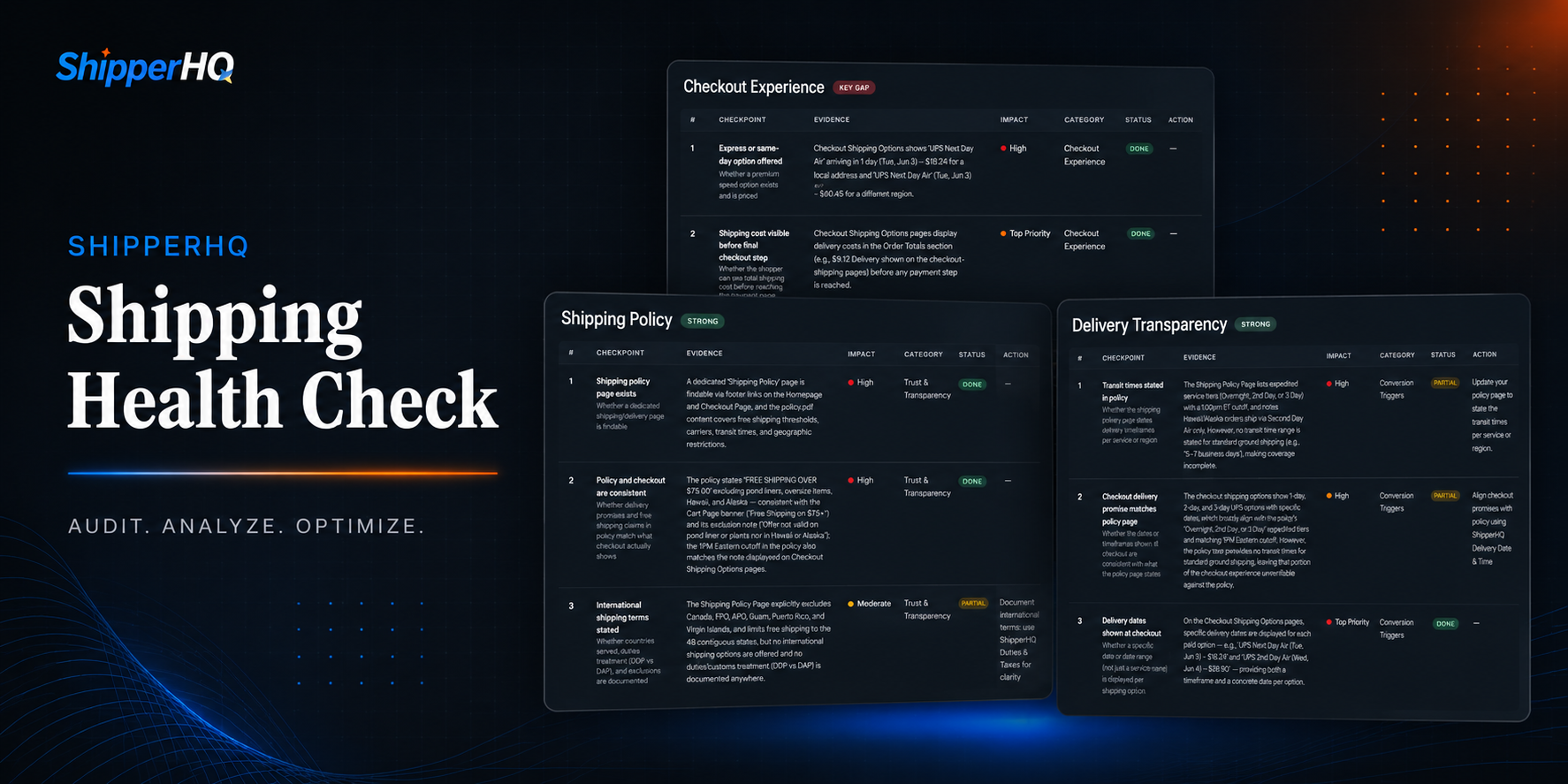
What Your Checkout Is Costing You
Ask most merchants how their shipping setup and checkout are doing, and you'll get the same answer: fine.