

One misstep with customs could lead to a disaster. What can you do to avoid this?
One wrong HTS code, missing invoice, or unpaid duty can leave shipments stuck at the border for weeks.
Or worse, hit customers with surprise fees at delivery and trigger a wave of support tickets. Not exactly the global expansion dream.
Key takeaways: Packages get held in customs for one of three reasons: missing or incorrect paperwork, unpaid duties or taxes, or restricted items. Prevent hold ups with accurate HS codes, a complete commercial invoice and customs declaration before you ship, and calculating duties and taxes at checkout instead of after the fact.
Tariffs, duties, taxes, and customs rules are still shifting quickly in 2026, especially for cross-border eCommerce brands.
Multiple tariff programs can apply at the same time, and what you owe at the border can depend on what you're importing, where it's from, its HTS code, exemptions, and when it ships.
That makes customs more than a paperwork problem. It directly impacts your Cost of Goods Sold (COGS), margins, pricing, checkout experience, and the final cost your customer sees.
For a deeper breakdown of what's active now and what's coming next, read our 2026 eCommerce tariff update.
If you're selling globally, some of the most important questions you need to answer are:
How are these policy shifts impacting your costs and your pricing?
How do you ensure your products clear customs?
And how do you stay transparent with your customers about these added costs?
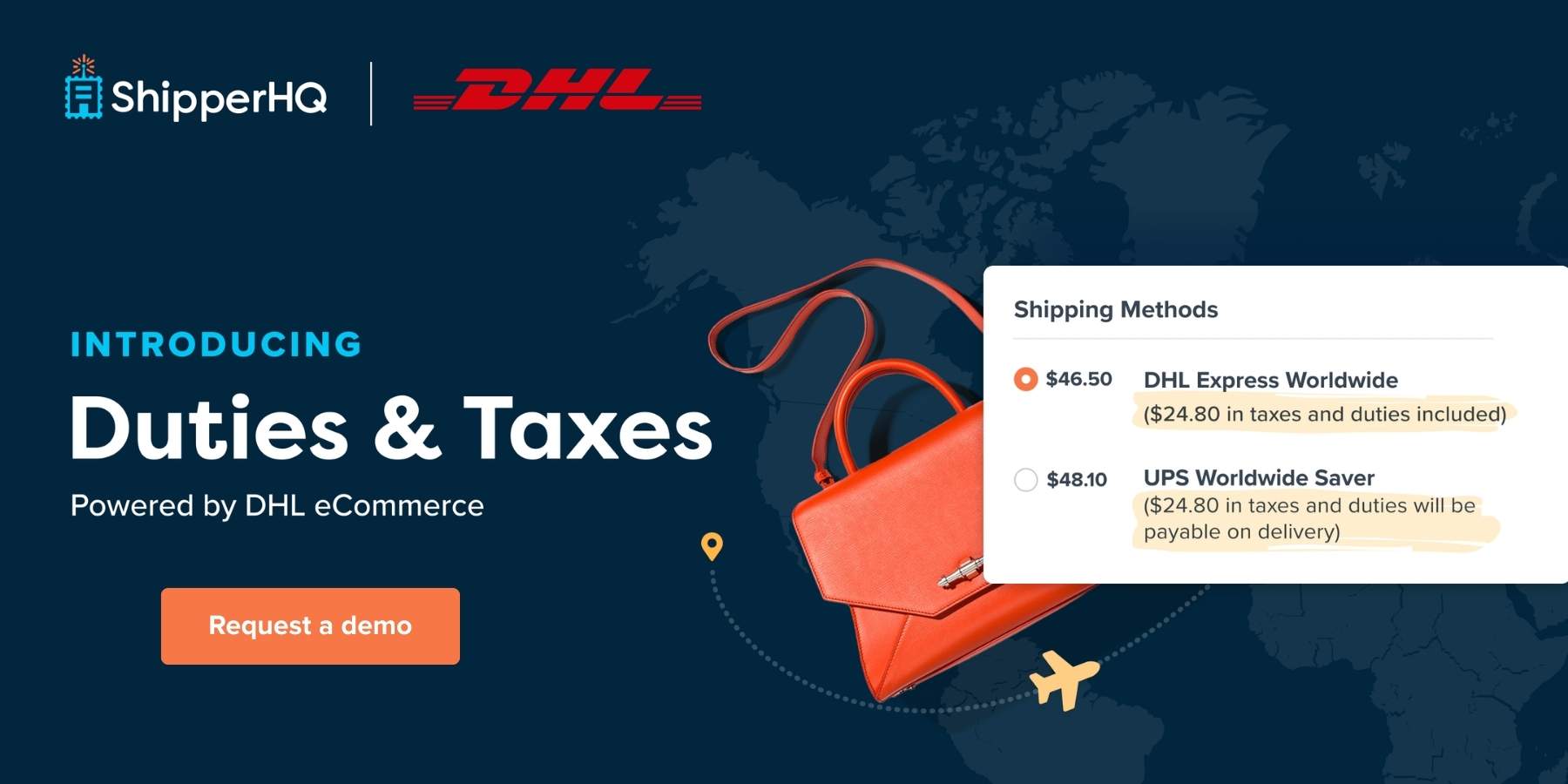
ShipperHQ's Duties & Taxes feature, powered by DHL eCommerce, can help you increase transparency and improve the customer experience. With this tool, you can automatically calculate and collect real-time duties and taxes at checkout.
Learn more about how ShipperHQ's Duties & Taxes feature simplifies international eCommerce.
Look, cross-border shipping is a lot like baking. You've got to have the right tools, follow instructions, and do things in the correct order.
One error could lead to a big disaster.
If you're unsure what a baking mishap looks like, you need to check out the Netflix series Nailed It!
In each episode, a group of three amateur bakers competes to recreate intricately decorated desserts. If you've ever tried to make a picture-perfect dessert from a Pinterest recipe, you know it's rarely as easy as it looks.
Unfortunately for many stores, cross-border shipping is the eCommerce equivalent of a Pinterest fail.
In theory, it seems simple.
You already ship teacups, necklaces, or sweaters from one state to another. How much more different could it be to ship to another country?
- You get your first order from the U.K.
- Do a quick internet search
- Send your first order from Nashville to London
It's that easy, right? Well, you could have your customer's order held up in customs for two weeks or more. Yikes.
What should you have done instead?
Today we're helping you cook up a recipe to avoid a customs calamity.
We'll examine what customs is, how customs clearance works, why packages get stuck in customs, and what you can do to prevent some of the most common problems.
How the customs clearance process works
The customs clearance process is easier to understand when you break it into a few basic steps.
1. The merchant prepares the shipment
Before an international order leaves your warehouse, you need the right customs information. That usually includes a commercial invoice, customs declaration, item descriptions, product value, country of origin, and HS codes.
This is where many problems start. If the information is missing, vague, or incorrect, customs may hold the package until someone fixes it.
2. The package arrives in the destination country
Once the package reaches the destination country, customs reviews the shipment before releasing it for delivery.
Customs checks the package information against the destination country's import rules. They may also determine whether duties, taxes, or fees are due.
3. Customs reviews the package and paperwork
Customs officers use the paperwork to answer a few basic questions:
- What is in the package?
- Where did it come from?
- How much is it worth?
- Is it allowed into the country?
- Are duties or taxes owed?
Quick clearance requires providing all the right information about your package before you ship it.
4. Duties and taxes are paid, if required
Packages may be subject to duties and taxes upon delivery. This cost can be covered by the retailer or the customer.
When shipping internationally, you generally have two choices. DDP (Delivered Duty Paid) means duties and taxes are already paid before the package ships. DDU (Delivered Duty Unpaid) means they're unpaid, and the buyer has to pay them upon delivery.
5. The package is released for final delivery
Once customs has approved the shipment and any required duties or taxes are handled, the package is released to the carrier for final delivery.
That's the ideal version.
The not-so-fun version is when customs finds missing paperwork, unpaid duties, incorrect product details, or restricted items. That's when a package gets stuck.
Why tariff and trade changes matter for customs clearance
Tariffs and trade rules are not something you can set once and forget. Country-specific duties, product classifications, exemptions, de minimis rules, and import requirements can change with little warning.
For eCommerce sellers, that means your cost of goods, duties owed, checkout pricing, and final delivery timelines can all shift quickly.
That creates a real margin and customer experience problem. If duties and taxes are not calculated correctly, you may either absorb unexpected costs or pass surprise fees on to the customer after purchase. Neither option is great.
And because tariff rules can change throughout the year, it is worth keeping an eye on upcoming changes before they show up in your landed costs, carrier bills, or customer support inbox.
For the latest details, including what is active now and what merchants should watch next, read our 2026 eCommerce tariff update.
Manually keeping up isn't realistic anymore. That's why tools like ShipperHQ's Duties & Taxes feature are becoming essential for merchants who want to expand internationally without sacrificing profit or customer trust.
See how ShipperHQ's Duties & Taxes feature can help
ShipperHQ's Duties & Taxes feature, powered by DHL eCommerce, can help you increase transparency and improve the customer experience.
With this tool, you can automatically calculate and collect real-time duties and taxes at checkout.
You can also choose between a DDP or a DDU pricing strategy. The choice is yours.
That means you can show customers a clearer landed cost, reduce surprise fees at delivery, and help protect your margins before an international order ever leaves the warehouse.
Learn more about how ShipperHQ's Duties & Taxes feature simplifies international eCommerce.
How do customs work for packages?
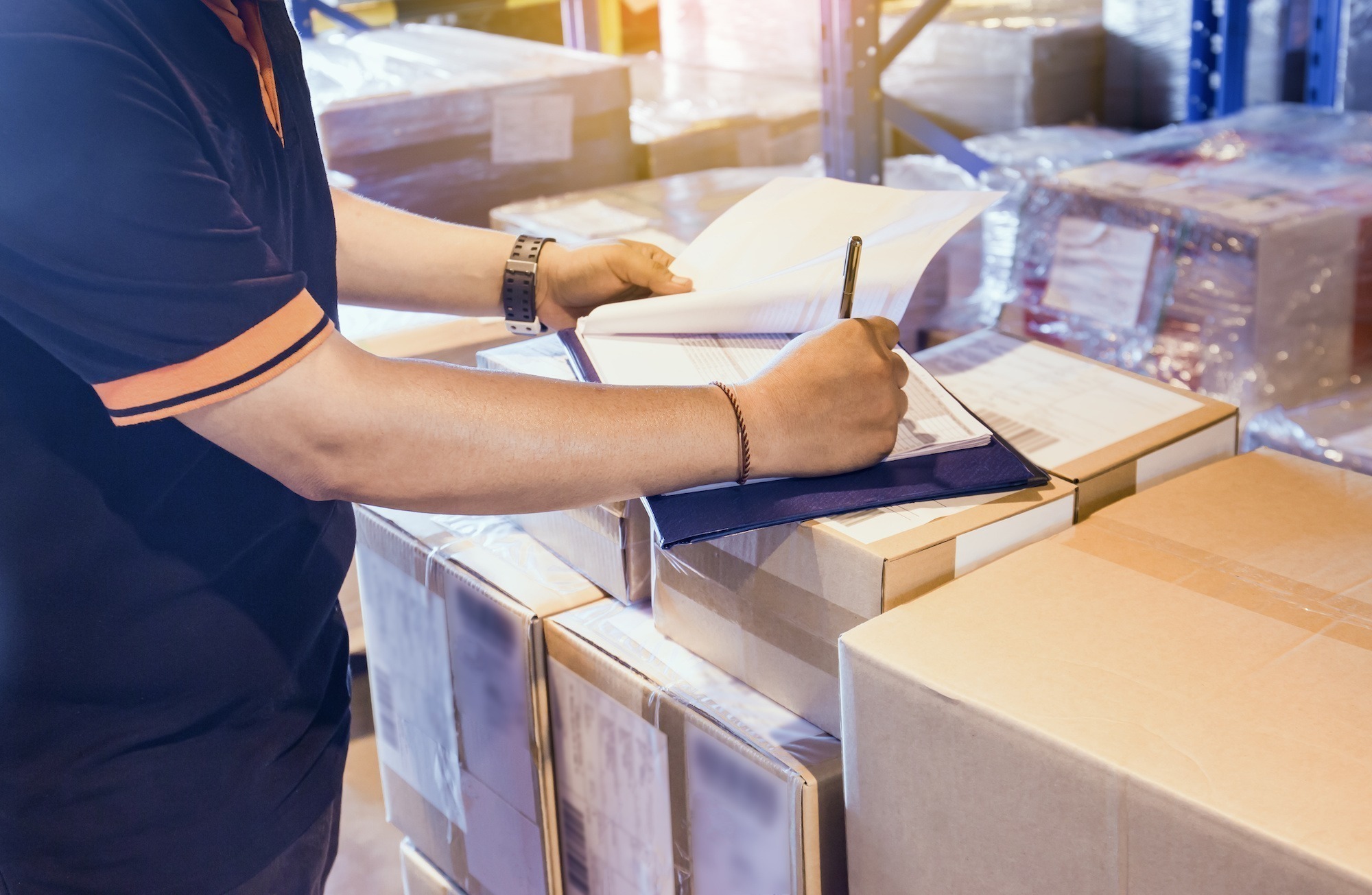
Items must go through customs before authorities release them for final delivery when shipping from one country to another.
Does customs check every package?
The short answer is yes. Customs checks inbound international packages and mail. During this process, a customs officer in the country you're shipping to will review the package to make sure it meets the country's laws, regulations, and policies. They will also determine what duties and taxes might be due.
If you've traveled internationally, you went through customs when you landed. You probably filled out a form beforehand with questions ranging from basic to somewhat odd, like if you're transporting soil or animal parts. Then you answered a few of the customs officers' questions once you got off the plane. And before you know it, you're on your way.
Customs for packages works similarly. You still must have a customs form. The main difference is you're not with the package to answer any questions the customs officer has. And that's where the problem lies for many novice cross-border shippers.
Quick clearance requires providing all the right information about your package before you ship it.
Do customs open every package to verify information?
No, customs officers will not open your package or packages without a good reason. They scan packages with a scanner or x-ray machine to verify that the items match your customs forms.
However, they may open a package if it is damaged, contains irregularities, does not match your declaration form, or is selected for random checking.
How long do packages stay in customs on average?
Unfortunately, no cut-and-dry answer exists for how long packages stay in customs. This duration varies greatly from country to country and depends largely on what is being shipped.
Customs may approve packages quickly, especially if the goods are not taxable. However, delays can occur if duties and taxes are still owed. Customs may also hold items if they are restricted and cannot enter the country.
Why is customs such a hassle for eCommerce shippers?
Customs can be quite a headache for new cross-border shippers. Former World Customs Organization (WCO) Secretary General Kunio Mikuriya said customs officers around the globe were struggling with a "tsunami of small packages" thanks to the growth of eCommerce.
Most customs systems were designed to handle bulk orders from wholesale importers. If you regularly ship three pallets of paper plates, you probably know what you're doing and have your paperwork in order.
However, the rise of B2C eCommerce drastically changed the volume of packages moving through customs. The increase in cross-border shipping is driven largely by sellers and buyers who may lack extensive experience with customs.
So not only are customs officers dealing with a massive increase in the number of packages they're processing, but many of those packages are also missing the vital documentation needed to do their job and keep shipments moving through the process.
At the same time, many countries are introducing new regulations to capitalize on the growing eCommerce market or, in some cases, to protect domestic industries from growing international eCommerce rivals.
For merchants, this creates a real checkout and customer experience problem.
If duties and taxes are unclear, customers may see surprise costs at delivery. If paperwork is incomplete, packages can get delayed. If your shipping rules do not account for country-specific restrictions, customers may be able to buy products you cannot actually ship to them.
That's not just a fulfillment issue. It can affect conversion, margins, support tickets, and repeat purchases.
How to prevent customs delays
The best way to avoid customs delays is to get the details right before the package ships.
That means your checkout, product data, shipping rules, and fulfillment workflow all need to work together.
Use accurate HS codes
HS codes help customs identify what is being shipped and what duties or taxes may apply.
If your codes are wrong, customs may hold the package, reassess the shipment, or require additional information before releasing it.
Complete your paperwork before shipping
Make sure your commercial invoice and customs declaration are complete and accurate.
That includes item descriptions, product values, country of origin, shipping costs, and buyer and seller details.
Decide whether DDP or DDU makes sense
DDP can create a smoother customer experience because duties and taxes are handled upfront.
DDU can keep checkout costs lower, but it may create surprise charges for the customer later.
Neither option is automatically right for every merchant. The key is knowing what you're choosing and making sure the customer knows too.
Pre-calculate duties and taxes at checkout
When customers can see duties and taxes before they buy, they have a clearer picture of the total cost.
That helps reduce delivery surprises, support tickets, and "why is my package being held?" moments.
Block restricted products by destination
If a product cannot be shipped to a certain country, your checkout should not let the customer buy it for delivery there.
This is where shipping rules and product restrictions can save you from a very avoidable customs issue.
When does a package get stuck in customs?
So, what can you do to make sure your package isn't stuck in customs? The first step is understanding what customs officers are looking for and what can cause them to hold your package.
The most frequent reasons a package gets stuck in customs are missing paperwork, unpaid duties or taxes, and prohibited items.
Missing paperwork
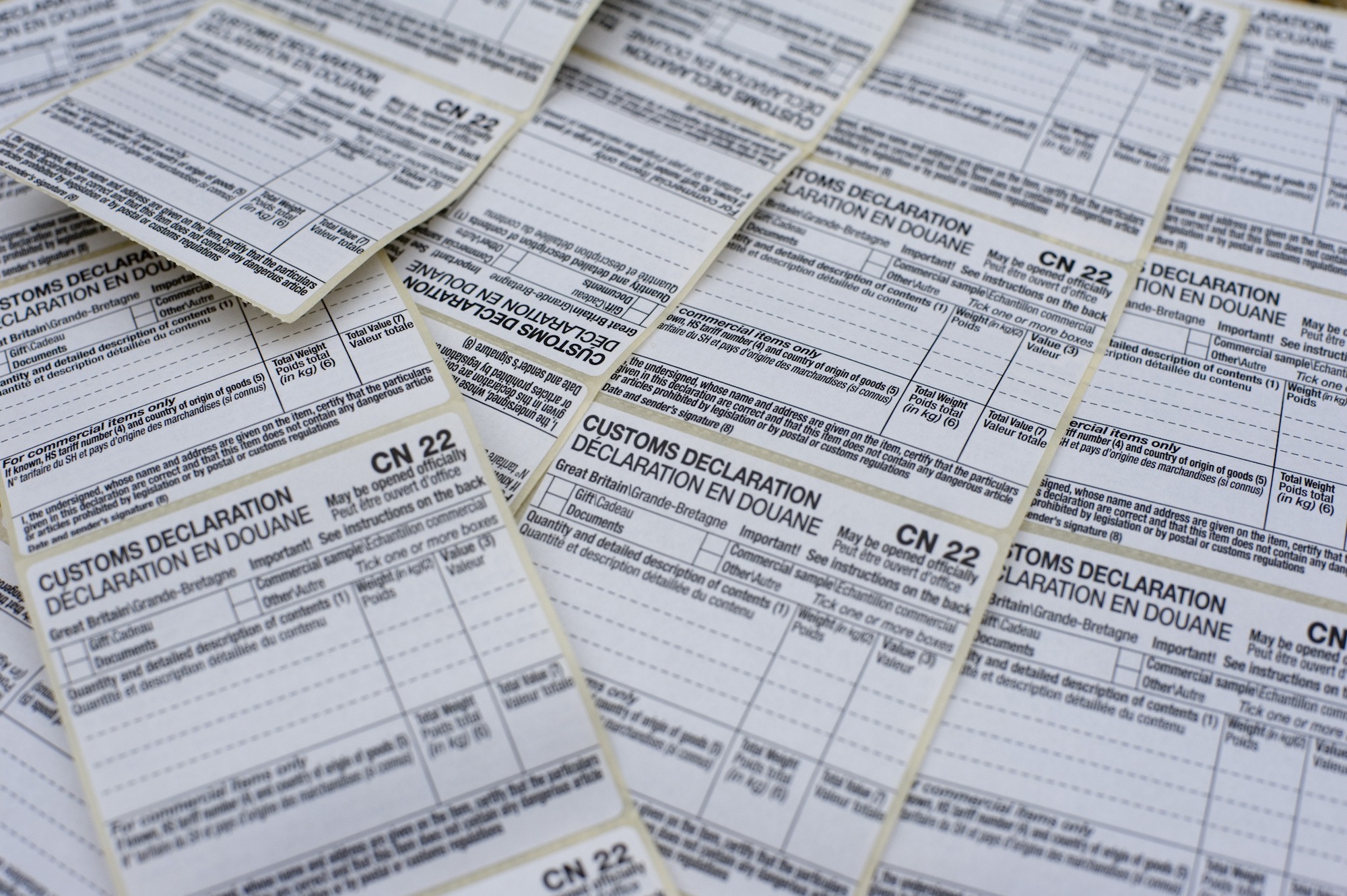
Every international package will need a commercial invoice and a customs declaration form. The customs officer will use these forms to determine the value of the goods and what duties and taxes may be due.
The commercial invoice should include details about the seller and the buyer, as well as more information about each item in the order:
- Unit Price
- Total Price
- Shipping cost charged to the customer
- Total Commercial Value
- Country of origin
- Item description and code from the Harmonized Commodity Description and Coding Systems
Note: Item codes can be tricky for new cross-border sellers. We recommend reaching out to your shipping carrier for help in making sure your inventory has the right HS code.
Having the correct paperwork isn't just about making the customs officer's job easier. Incorrect or missing paperwork could result in an officer opening your package to inspect it, or possible fines or criminal penalties.
Unpaid duties or taxes
Nothing is leaving customs if the appropriate duties and taxes aren't paid.
When shipping internationally, you have two choices. You can ship with the duties and taxes already paid, known as DDP, or unpaid, known as DDU, where the buyer has to pay them upon delivery.
For more on DDP vs DDU, check out our blog explaining both concepts.
If you ship DDP and make a mistake in calculating the amount due, you will need to pay the balance before the carrier releases the package for final delivery. In this case, some carriers will bill you for the difference plus an additional fee for their efforts.
With ShipperHQ's Duties & Taxes feature, you can choose between a DDP or a DDU pricing strategy. The choice is yours.
Shipping prohibited items

A customs officer's job is more than ensuring you pay taxes. They also ensure that prohibited items are not shipped into the country.
When shipping to a new country, it's essential to learn about any specific regulations they have.
Here are a few examples from some of the top-growing eCommerce markets:
- China restricts imitation firearms, some types of communications devices, and cosmetics.
- The United Kingdom typically bans firearms and other weapons and has restrictions on meat and dairy from outside the European Union.
- Germany, like the UK, also restricts food products from non-EU member countries and places additional limits on some medical and dental supplies.
- France imposes restrictions on electronics, alcoholic beverages, and food from outside the EU. Additionally, France requires French language on all packaging.
- Canada places restrictions on pharmaceuticals, agricultural items, food items, and some pet foods.
This isn't an extensive list, but hopefully gives you an idea of what types of restrictions could exist in a country you're considering shipping to.
For more detailed information, be sure to check out trade.gov. You should also configure your eCommerce platform to prevent customers from purchasing items prohibited in the country they are shipping to.
What about Brexit?
As of December 31, 2020, the United Kingdom has officially withdrawn from the European Union.
Following this withdrawal, the EU-UK Trade and Cooperation Agreement was proposed and currently allows for free trade of most goods with no tariffs or quotas. However, companies are still required to comply with customs regulations.
They must pay customs fees and VAT (value-added tax), plus provide rules of origin paperwork to prove goods have been locally sourced.
Read more information about Brexit shipping changes
FAQ
Does customs open every package?
No. Customs does not open every package. Customs may scan packages and review the paperwork first. Officers may open a package if it is damaged, selected for inspection, or does not match the customs declaration.
Does customs check every package?
Yes. Customs checks inbound international packages and mail. That does not always mean every package is physically opened, but customs does review packages before they are released for delivery.
How long do packages stay in customs?
There is no exact average that applies everywhere. Some packages clear quickly, while others may be delayed for days or longer if duties are unpaid, paperwork is missing, or the shipment includes restricted goods.
Why is my package stuck in customs?
A package is usually stuck in customs because of missing paperwork, unpaid duties or taxes, inaccurate product information, incorrect HS codes, or restricted items.
How can merchants avoid customs delays?
Merchants can reduce customs delays by using accurate HS codes, completing customs paperwork, checking country-specific restrictions, pre-calculating duties and taxes, and choosing a clear DDP or DDU strategy.
Conclusion
We hope you're feeling confident enough to begin cross-border shipping.
Remember to Nail It and not end up with a shipping fail. Follow this simple recipe:
- Check the country-specific regulations for your product at trade.gov.
- Make sure your paperwork is in order, including information like harmonization codes.
- Work with a partner who can take care of the heavy lifting of clearing customs.
- Automatically calculate and collect duties and taxes at checkout to give your customers a smoother, more transparent checkout experience.
Building out your global shipping strategy? See how ShipperHQ's Duties & Taxes feature can help you automate duty and tax calculations and improve the customer experience.