Imagine pouring time and money into marketing your eCommerce store, only to watch potential customers leave their carts behind. Frustrating, right?
Many online sellers focus heavily on product quality, pricing, and digital marketing but often overlook a critical aspect of online shopping: the eCommerce checkout process and overall checkout optimization.
A whopping 70% of eCommerce visitors abandon their shopping carts, and a significant portion of that is due to an inefficient checkout.
Quick answer: Checkout optimization is the process of reducing friction between cart and purchase. That includes faster forms, guest checkout, trust signals, payment options, and clear shipping details. For eCommerce brands, shipping is one of the biggest conversion levers because shoppers want to know what delivery will cost, when the order will arrive, and which options they can choose before they pay.
Ecommerce brands often focus heavily on acquiring new customers but overlook the experience at checkout, where the real money is made. By optimizing the shipping and checkout experience, you can turn more browsers into buyers, increase customer satisfaction, and accelerate sales.
Here’s what we’ll cover to help you optimize checkout and drive more sales:
TLDR: A complicated checkout flow drives customers away. High shipping costs, unclear delivery dates, and limited options lead to abandoned carts.
Checkout optimization is key to reducing friction. Offer estimated delivery dates, multi-origin fulfillment, real-time carrier rates, dimensional packing, and flexible shipping options to streamline the process.
The right shipping solution does not just close sales. It builds trust, protects margin, and gives customers a reason to come back.
Checkout optimization is the process of improving the final steps of the eCommerce buying journey so more shoppers complete their purchase. It includes reducing form friction, supporting guest checkout, showing trust signals, offering relevant payment methods, optimizing mobile checkout, and making shipping costs and delivery options clear before the customer pays.
The checkout page is the last step before a sale is completed. If it’s confusing, slow, or full of unexpected costs, customers won’t think twice about leaving. Optimizing your checkout can significantly improve conversion rates and create a smoother shopping experience.
For many retailers, the shipping portion of checkout is where conversion breaks down. A shopper may love the product and accept the price, but abandon the cart when shipping costs appear late, delivery dates are vague, or the available options do not fit their needs.
Here’s how optimizing your checkout helps:
Checkout optimization isn’t just about simplifying forms or adding a guest checkout option. A critical component that many retailers neglect is integrating shipping strategy into the checkout process.
Checkout friction usually shows up in a few predictable places. Some are UX issues. Some are payment issues.
But for eCommerce merchants, many of the biggest conversion blockers are tied directly to shipping.
ShipperHQ focuses on the shipping side of checkout because that is where uncertainty often turns into abandonment. If shoppers cannot understand the full cost and delivery promise before they pay, the sale is at risk.
Before you fine-tune shipping, make sure the basics are not getting in the way. Even the smartest shipping strategy will struggle if the rest of checkout feels clunky.
Once those basics are in place, shipping becomes one of the highest-impact areas to optimize because it directly affects cost, timing, and customer confidence.
Most retailers think of shipping as an operational necessity. But what’s the reality? Shipping is a conversion tool. Customers want to know how much they’ll pay for shipping, when their order will arrive, and what options they have for delivery.
A shipping strategy designed for conversion should:
Brands that optimize shipping don’t just close more sales. They create better customer experiences, build trust, and drive repeat business.
If you want to stop losing customers at checkout, you need to rethink your shipping approach. Here are the most impactful strategies that leading brands use to drive conversions and increase revenue.
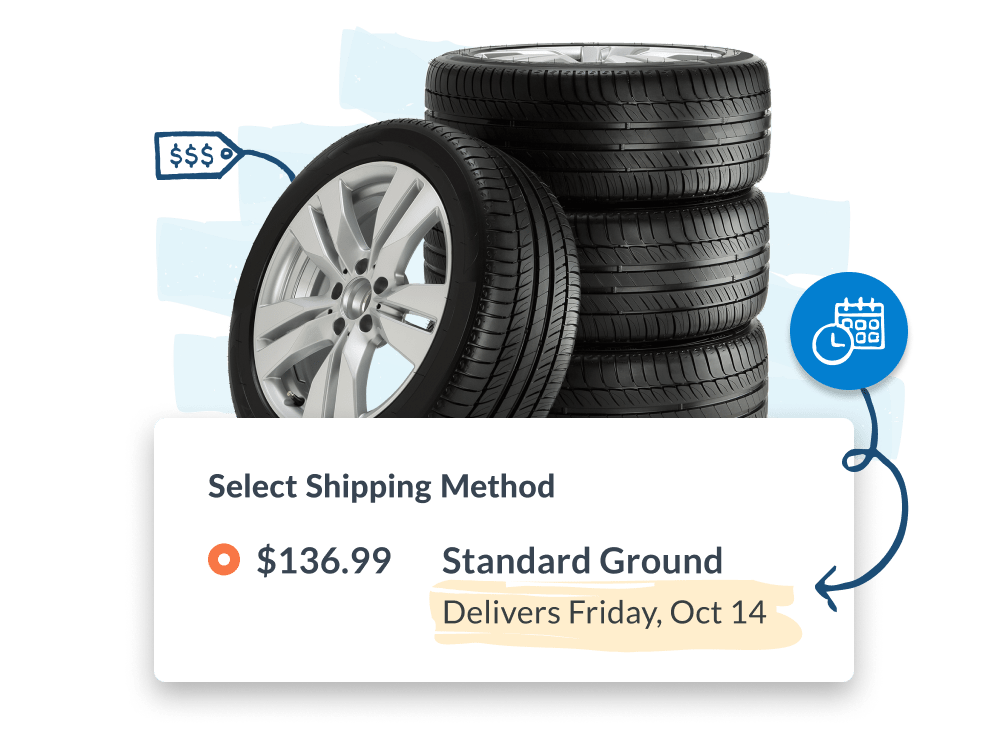
One of the most common questions customers have before purchasing is: “When will I get my order?” If your checkout doesn’t answer that clearly, hesitation creeps in. And hesitation is where carts go to die.
By showing accurate delivery dates at checkout, you:
A delivery promise is just as important as price. “Ground shipping” is vague. “Arrives Friday” is a decision customers can act on.
Pro tip: With ShipperHQ, you can show accurate delivery dates that account for carrier transit time, lead time, cutoff times, blackout dates, and fulfillment rules.
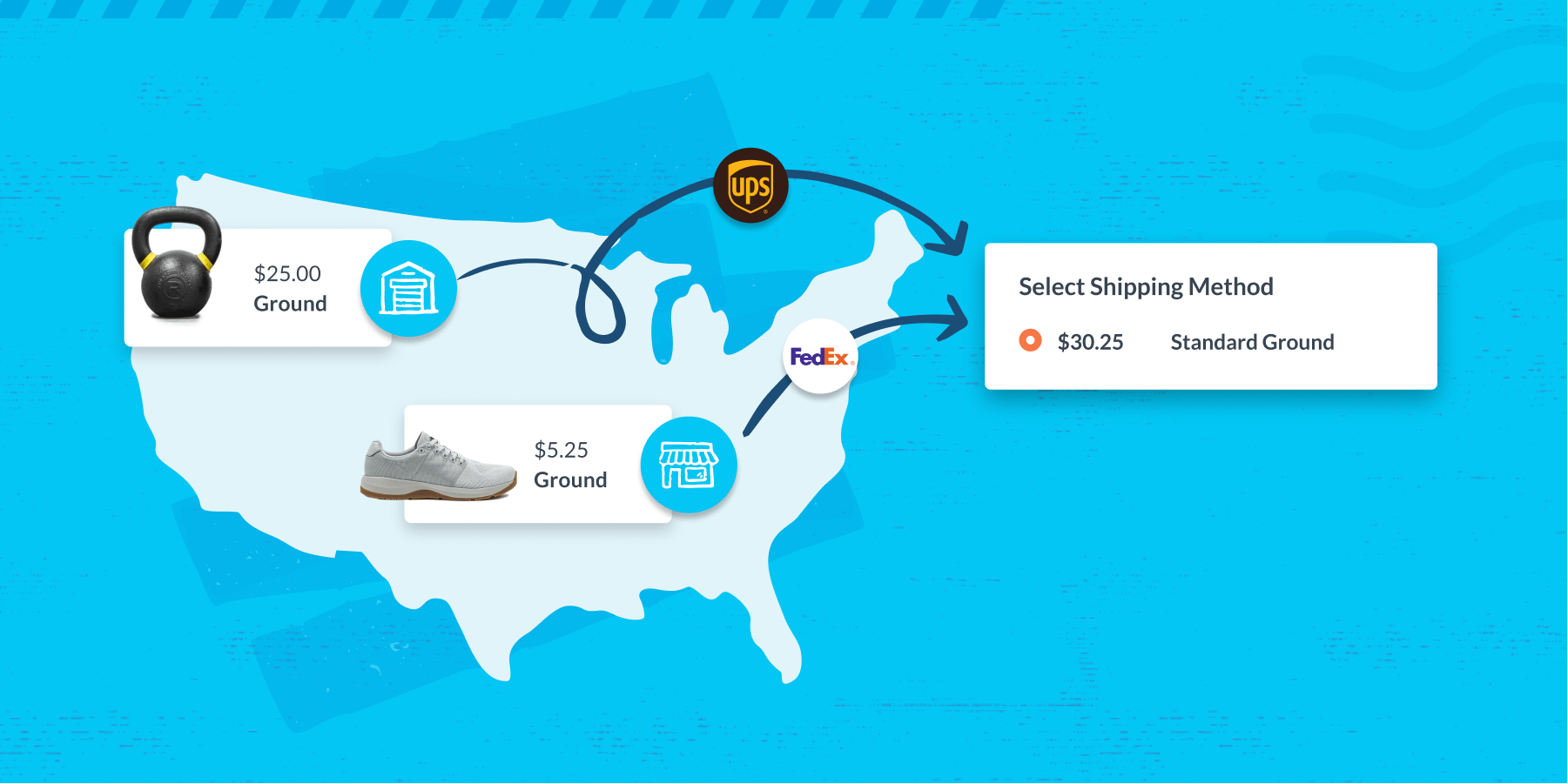
If you have multiple warehouses, fulfillment centers, stores, suppliers, or dropship locations, you need a shipping strategy that can adapt. Otherwise, you may overpay for shipping, deliver slower than necessary, or show checkout options that do not reflect how the order will actually ship.
A multi-origin fulfillment strategy ensures that:
Multi-origin shipping is especially important for merchants with distributed inventory, store fulfillment, regional warehouses, vendor shipments, or complex catalogs. The closer your checkout reflects real fulfillment logic, the easier it is to show rates and delivery options customers can trust.
Pro tip: Smarter shipping leads to happier customers and lower costs. See how Clean Eatz saved $200K by avoiding resends after deploying ShipperHQ.
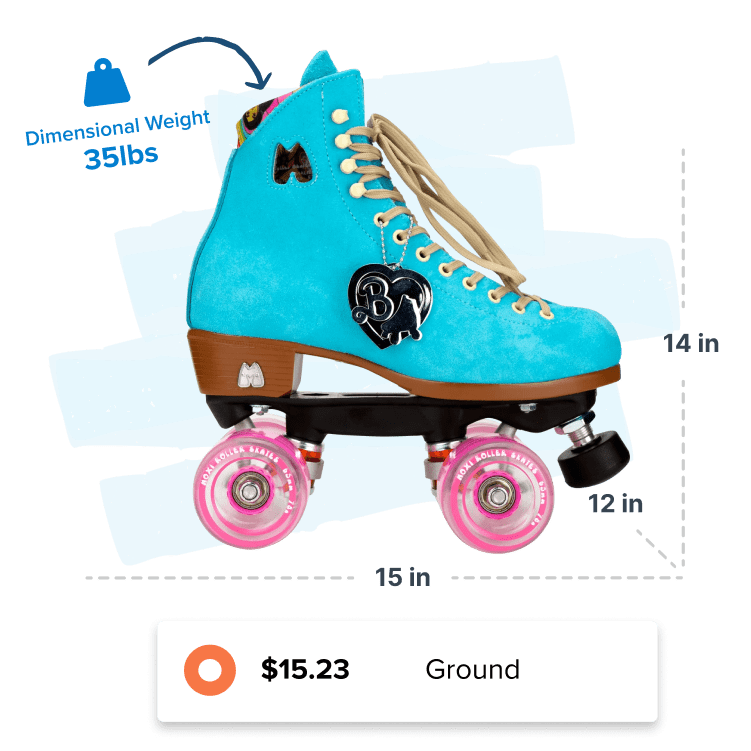
Ever had a package that weighs next to nothing but costs a fortune to ship? That’s because carriers charge based on box size, not just weight.
Dimensional weight matters because checkout rates need to reflect how an order will actually ship. A lightweight item in a large box may cost more than a smaller, heavier item. If your checkout only looks at product weight, you risk showing rates that are too low, too high, or completely disconnected from your carrier invoice.
If your checkout isn’t optimized for dimensional weight shipping, you risk:
Dimensional packing helps merchants choose the right box or packing configuration before rates are shown at checkout. That means customers see more accurate shipping costs, while your team avoids unnecessary margin leaks.
Pro tip: With the right dimensional packing logic in place, you can streamline shipping to make it more cost-effective, accurate, and reliable.
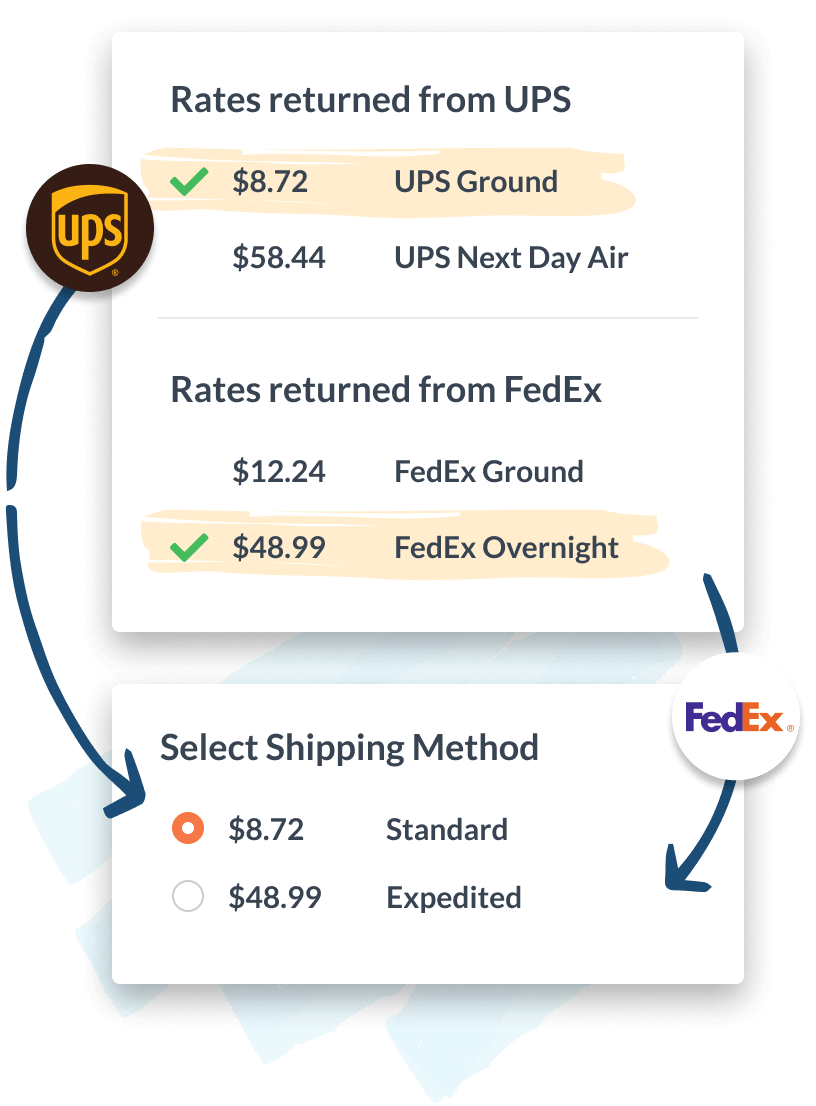
Some customers want the cheapest shipping option. Others want fast delivery, no matter the price. The best checkout experiences let customers choose what works for them, while still protecting your margins.
Benefits of rate shopping include:
Rate shopping lets you compare services and display the best available options based on the order, destination, carrier rules, and business logic. That makes checkout feel more flexible for shoppers and more strategic for your team.
Pro tip: Multiple shipping options at checkout make customers feel in control. Just make sure those options are accurate, profitable, and relevant to the order.
Checkout optimization is not a one-and-done project. After you improve your shipping experience, track what changes. The goal is not just a prettier checkout. It is a checkout that converts better and protects margin.
These metrics help you understand whether your checkout changes are doing what they should: reducing friction, increasing trust, and improving profitability.
Before your next campaign sends more traffic to your store, run through these questions:
Small changes can lead to big wins. But the biggest wins usually come from removing the uncertainty that keeps shoppers from clicking “place order.”
Ready to stop losing customers at checkout? Start a 15-day free trial of ShipperHQ today.
See why thousands of leading online brands trust ShipperHQ to optimize their shipping & checkout experience.